
Agents can remember
past mistakes.
The gateway meters model calls and turns opted-in session evidence and agent observations into insights for each repository, prompt feedback, and compact project memory. Teams can inspect this material before agents reuse it.
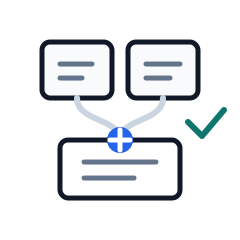
Context includes runbook snippets, recent lessons, repository conventions, and known problems.

One repository view shows attributed insights, prompt feedback, coverage, and curated memory.
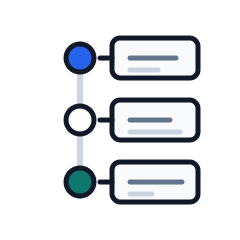
Knowledge includes failures, successful fixes, commands, and code pointers distilled from real work.
Agents build context by doing the work.
Eligible sessions can produce project knowledge. The useful parts are attributed, distilled, reviewed, compacted, and made available through explicit project tools or centrally controlled context policy.
- 01
Project identity
The client reports Git remotes. The gateway resolves them into one tenant-scoped repository project before knowledge is read or written.
- 02
Session evidence
Opted-in session metadata and canonical logs give the distiller evidence without mixing raw prompts into lean usage rows.
- 03
Observation tools
Agents can record useful facts, fixes, and problems while they work. These records can be reviewed later.
- 04
Insight distillation
A nightly, allowlisted pass turns completed sessions into attributed decisions, mistakes, lessons, context, and prompt reflections.
- 05
Memory compaction
The compactor combines repeated lessons into a smaller project memory file. Future sessions load relevant lessons from that file.
The goal is to avoid repeating errors.
A project knowledge system should record decisions, broken assumptions, recovery commands, prompt feedback, and curated memory separately. The gateway shows each of these parts.
Remember the exact repo command that fixed a broken local test harness.
Carry forward the reason an API route must stay fail-closed.
Warn the next agent before it repeats a bad deploy path.
Show where an insight came from before turning it into project memory.
Knowledge is visible and attributed, so teams can audit it.
Teams can inspect repository memory, generated insights, prompt feedback, project identity, and distillation coverage. Memory controls remain available for explicit retrieval and injection policy.
# generated insights
Decision — Set the normalized Git remote as the stable project identity.
Mistake — Do not report unavailable knowledge as zero.
Context — Attribute accepted model requests independently of raw log upload.
Name the target environment and evidence boundary first. This reduces a second investigation pass.